What moves when the ground shakes
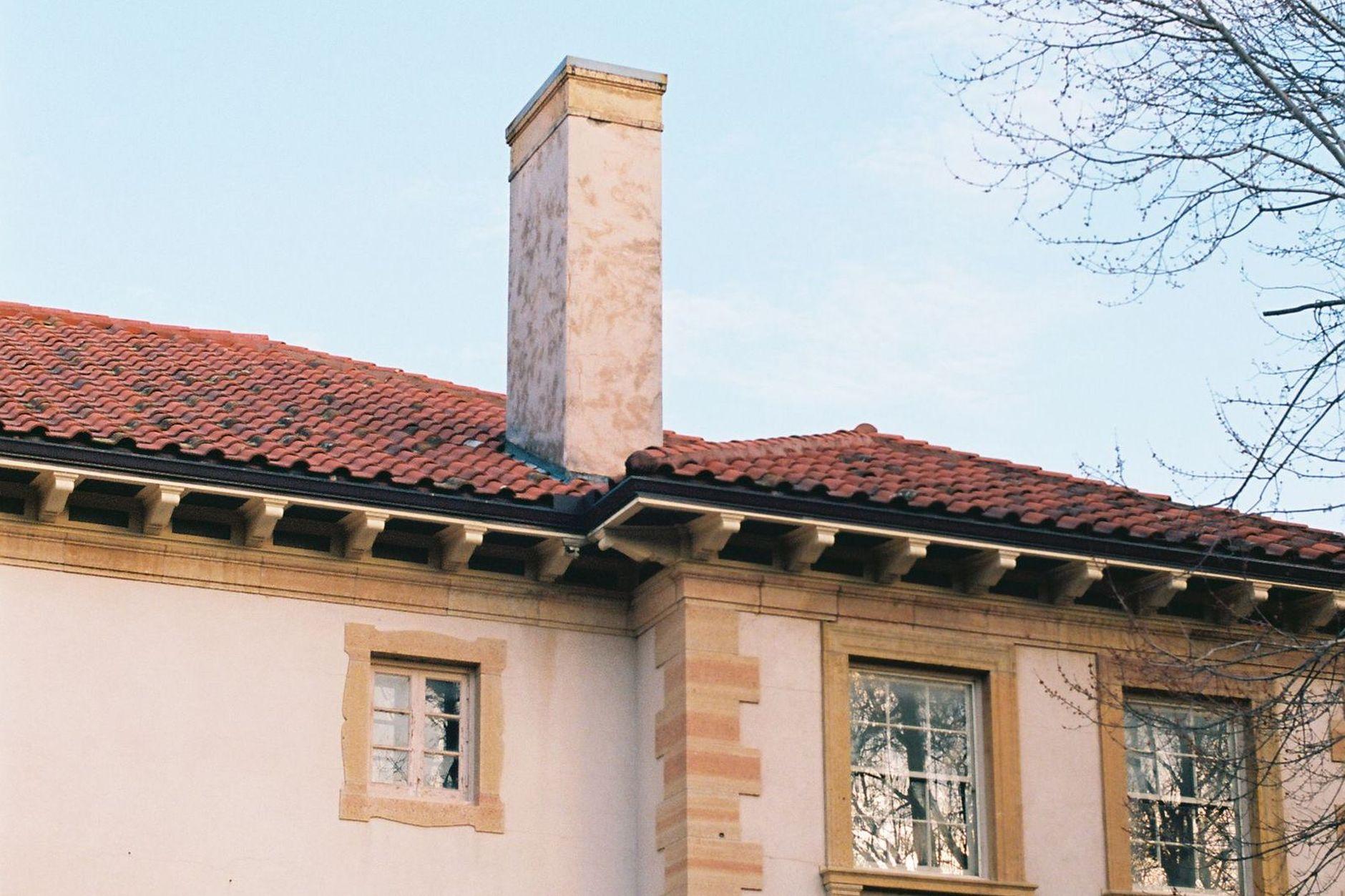
When the ground shakes, a brick chimney moves differently from the house it leans on. The house is a wooden frame that flexes. The chimney is a tall, heavy column of brick and mortar that would rather stay where it was. The failures are the predictable ones: the brick above the roofline, where nothing holds it; the joint where the stack meets the wall of the house; and the mortar between bricks that has gone soft over the years.
In 1987 the Whittier Narrows shaking cracked and dropped chimneys a short drive from Downey, and the 1994 quake did the same across a far wider area. Many houses here still carry the brick chimneys they were built with. Wainwright Chimney Experts quotes bracing and rebuilds for those chimneys, and this post sets out the options, how they differ and what moves the price.
Three ways to deal with an old brick chimney
Steel ties and bracing
Steel straps or angle iron tie the chimney back to the framing of the house at the roof and at points down the wall. Above the roof, a brace can run from the stack to the roof structure. The aim is to keep chimney and house moving together. Bracing suits a chimney whose brick and mortar are still sound.
Taking the top down and building it back
The tallest, least supported section of a chimney is the part above the roof. A common choice removes the weakened brick up there and builds it back in reinforced masonry, or as a lighter framed top finished to look like the original, with steel tying it to the house. The lower chimney and the fireplace stay where they are.
Taking the chimney out
Some owners decide they no longer need a masonry chimney at all. It comes down, the wall and roof are closed up, and the fireplace gives way to a gas unit with its own pipe. This is where seismic work and a fireplace remodel meet.
What decides which option fits
- The state of the brick and mortar. Bracing a stack that is already cracked through only holds broken pieces together. The $400 Level 2 camera inspection tells us whether the masonry is sound enough to brace.
- Height above the roof. A tall stack has more to lose and more weight to hold.
- The fire you want afterwards. Keeping wood means the flue has to stay usable. A gas insert in the present firebox, $2,850 to $5,750 fitted, lets the rebuilt top be shorter and lighter. If you would rather have the fire on another wall, a sealed gas unit in new framing runs $4,600 to $9,200 and the old chimney can go.
- The roof. Tile, shingle and flat roofs each need different patching and metal where the chimney passes through.
Bracing, top rebuilds and full removal have no published figure. Each is written up after the camera visit, with masonry, steel, roof work and finish as separate lines.
Ask for a seismic quote
Use the quote form to tell us the city, roughly when the house was built, whether you can see cracks in the chimney from the yard and whether the fireplace is still in use. We set up a Level 2 visit, and the written quote that follows gives you the options that suit your chimney, each priced on its own line.
The room side of a seismic job
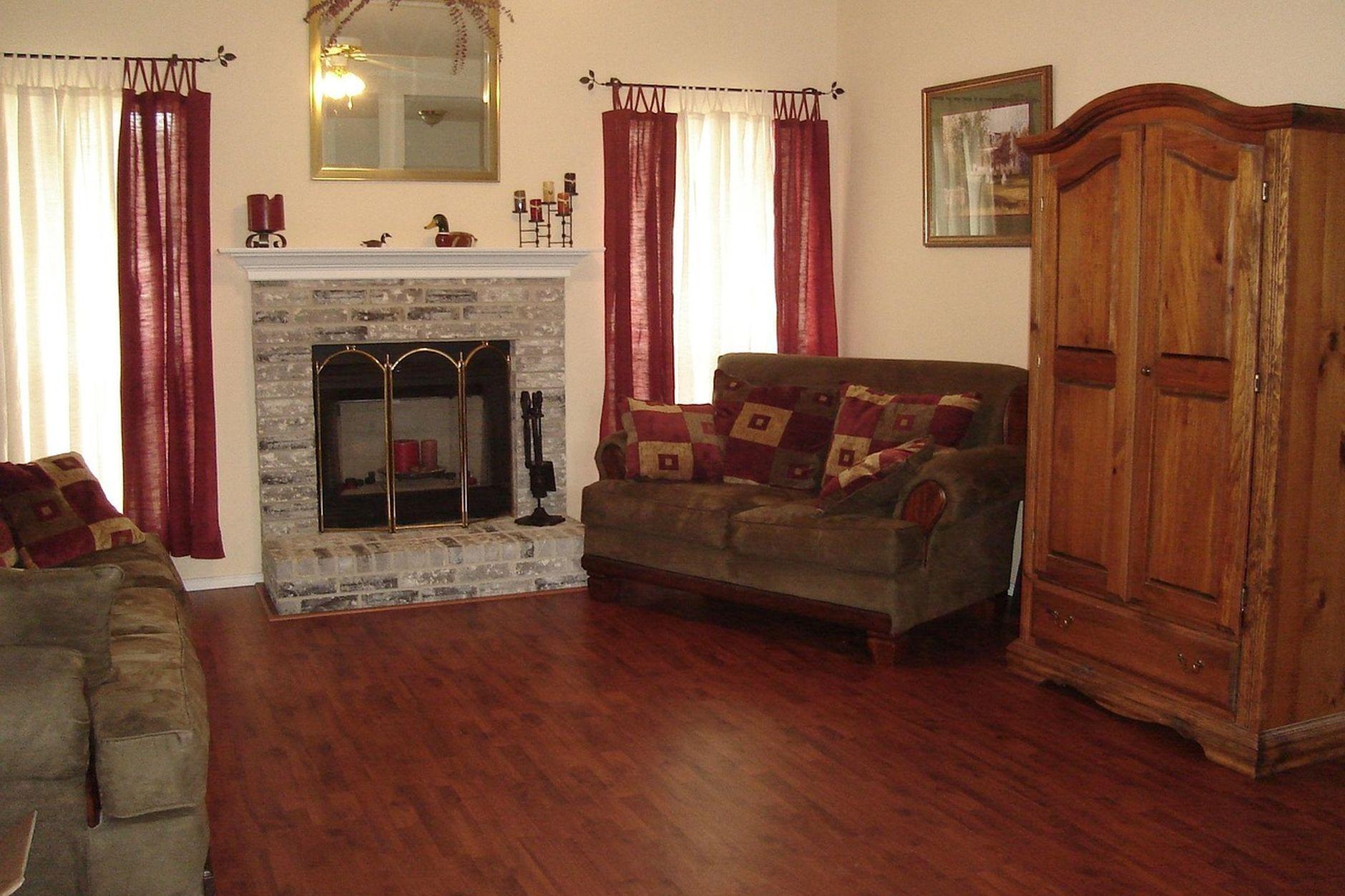
Most owners think of seismic work as something that happens on the roof. It changes the room too. If the chimney is coming down, the fireplace wall loses the brick behind it and you decide what that wall becomes: plaster, a new gas unit with a tile face, built in shelves. If only the top is being rebuilt, the inside can stay as it is, or the job can be paired with a refacing while the crew and the scaffold are already on site. If a gas insert is going in, the face can be redrawn around its trim.
We plan the room side and the roof side together, so you see the finished wall and the finished chimney top in one drawing.
Signs a chimney wants a closer look
- A crack running across the brick in a straight line, often near the roof.
- A gap opening between the chimney and the siding or stucco.
- Brick crumbs or mortar on the roof or the ground below.
- The top of the stack visibly out of line when you sight along it from the street.
- Cracks in the crown, the cement cap that sits around the flue.
After any quake, signs like these are a reason to leave the fireplace unlit until it has been inspected.
What you receive
After the Level 2 visit you get a dated report with photos of the flue, the chimney top and its tie to the house, plus a written quote with each option. If you go ahead, photos taken during the work go in your file, showing the steel and the new masonry before they are covered. That record is useful when you sell or when an inspector asks what was done.
Questions about seismic work
Does bracing make a chimney safe in any quake? Nobody can promise that. Bracing improves how the chimney holds to the house; it does not make old brick new.
Can I keep using the fireplace after a top rebuild? Yes, as long as the flue is rebuilt or relined for the fuel you burn.
Will the new top match the old brick? We match as closely as reclaimed or new brick allows, or use a finish that suits the house. The quote describes which.
Do I have to take the whole chimney down? No. Many owners brace or rebuild only the top. Full removal makes sense when the stack is badly cracked or the fireplace is being replaced anyway.
Before the next one
Downey felt both the 1987 and the 1994 shaking, and many of its chimneys are older than either. Talk to Wainwright Chimney Experts through the contact page about bracing or rebuilding yours before the next one.
Picturing a Different Fireplace Wall?
Wainwright Chimney Experts plans hearths from Downey: the firebox and flue are checked, the surround is drawn to your wall, and each material arrives as its own line on a written quote.