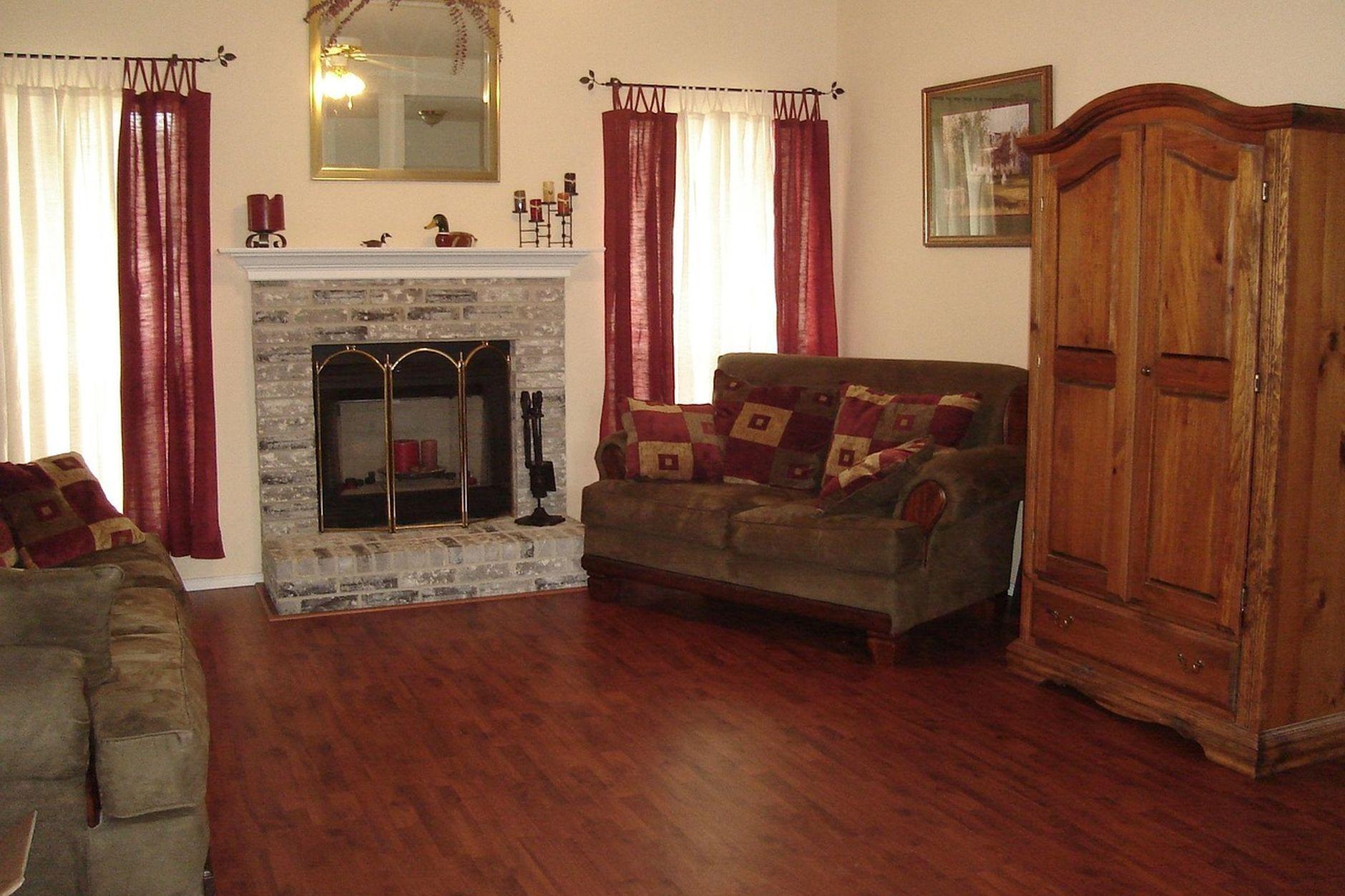
Two roads to a gas flame
Owners in Downey who want a gas fire end up choosing between two quite different jobs. One keeps the fireplace you already have and sets a steel box with a glass face inside it. The other leaves the old fireplace alone, or works in a house that never had one, and builds a sealed gas unit into a wall that vents out through the siding or up through the roof. The first is an insert. The second is a direct vent fireplace in new framing. From across the room they can look alike, and they are priced far apart.
| Option | Fitted figure from Wainwright Chimney Experts |
|---|---|
| Insert set inside your present masonry or metal firebox | $2,850 to $5,750 |
| Sealed gas unit built into a framed wall, with its own vent | $4,600 to $9,200 |
Both figures cover the unit, its venting and the fitting. Neither covers changes to the face, mantel or hearth around it; those we price on paper once the design is settled.
What the insert road looks like
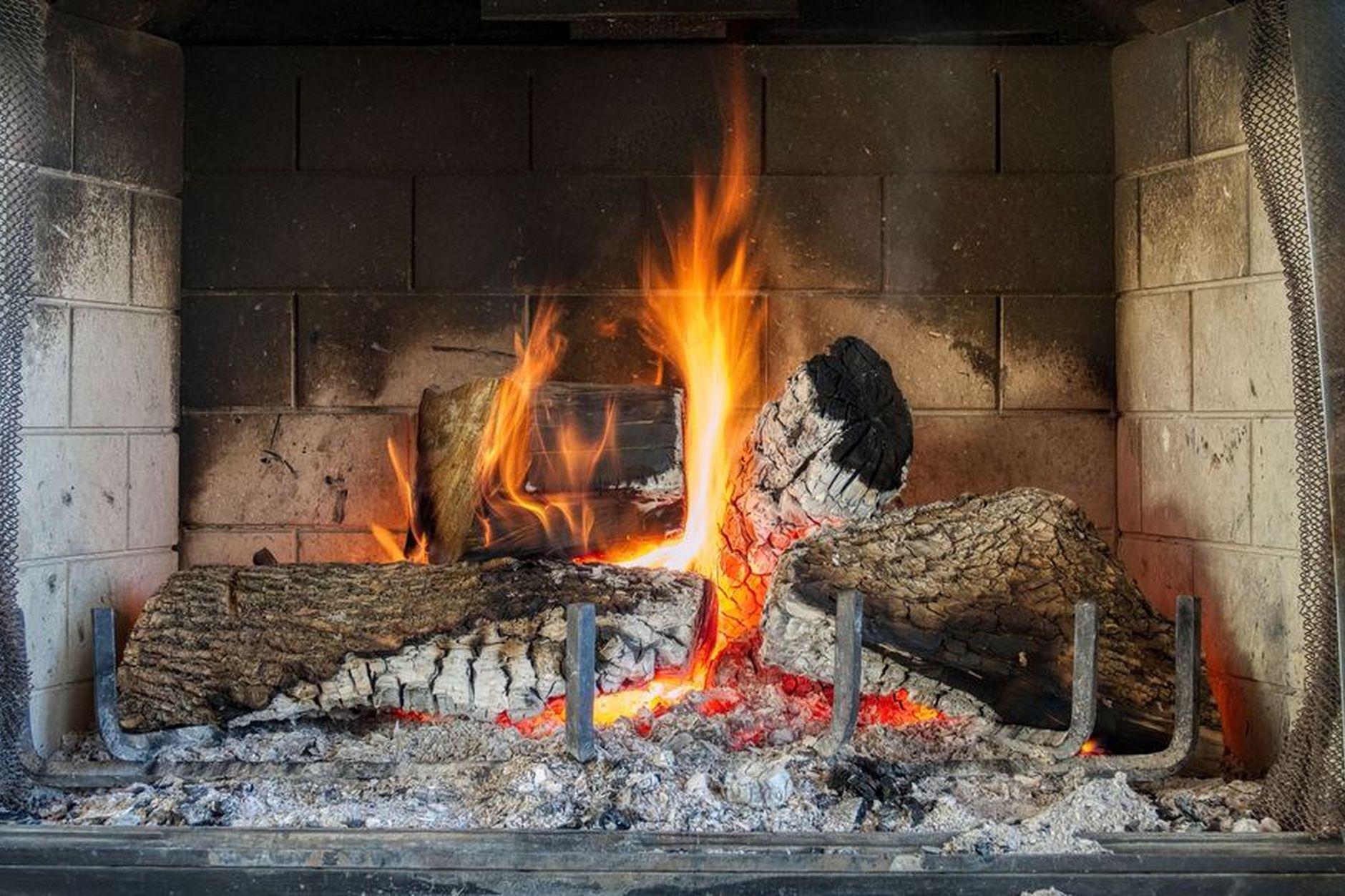
An insert slides into the old opening. A trim frame closes the gap between the steel box and the brick, and the glass sits about where the opening used to be. Two flexible pipes run up the old flue, one feeding the burner outside air and the other carrying exhaust to the top, where a cap holds them.
What it does well:
- It reuses the chimney, so there is no new hole in a wall or the roof.
- The room keeps its focal point where it has always been.
- An old ranch house brick face can stay as it is, take a coat of masonry paint, or be refaced around the insert's frame.
Where it falls short:
- The insert can only be as wide and deep as the old firebox allows. A shallow or oddly shaped box narrows the list of models that fit.
- The chimney has to be fit to carry the liner. A liner covers for tired flue tiles, but a broken crown or a cracked top still needs repair.
- The flame picture is set by the model; a long linear flame needs a long box.
What the new fireplace road looks like
A direct vent unit is a sealed firebox with its own pipe, set into a framed wall or a bump out. In many rooms the pipe goes straight out the back wall, which is why it suits houses with no chimney, or a room on the far side of the house from the old one.
What it does well:
- It can go wherever a vent can leave the house: a family room addition, a main bedroom, a patio wall.
- The face is drawn from nothing. A slim flame in a flat plaster wall, a tile column to the ceiling, a floating bench hearth.
- There is no masonry chimney above it to look after.
Where it falls short:
- Framing, drywall, finish, wiring and a gas run to a new spot all add up.
- The vent outlet has spacing rules from windows, doors and the property line, which can rule out a wall that seems ideal.
- The old fireplace, if there is one, still needs a decision: kept, capped and sealed, or taken down.
What decides which one suits your room
These are the things we weigh on a visit:
- Where you want the fire. If the answer is where the fireplace already is, the insert usually wins. If it is on the TV wall across the room, the new unit does.
- The state of the chimney. A chimney that needs a big masonry repair changes the sums. Paying to rebuild a stack just to carry an insert can push the insert total past the cost of a new wall unit somewhere else.
- The size of the old box. Width and depth limit heat and flame width.
- The finish you want. A long, low flame in a slim plaster wall comes easier with a new unit; a framed glass front inside a brick face suits an insert.
- The gas line. Plenty of Downey fireplaces already have a gas valve for a log lighter, which shortens the gas work for an insert. A new location needs a new run from the meter.
Ask for both options on paper
If you are torn, use the quote form to tell us which room, where the gas meter sits, whether the house has a working chimney and the look you are after. After the visit, the written quote can lay out both roads side by side, with the unit, the vent run and the face work on separate lines for each.
Why we look up the flue before quoting an insert
An insert figure that ignores the chimney is a guess. Before we settle on a number inside the $2,850 to $5,750 range we want to see the firebox, the smoke chamber and the flue. On a wood fireplace that has not been looked at in a while, we often suggest the $400 Level 2 camera inspection first, all the more so on a house that rode out the 1987 Whittier Narrows shaking or the 1994 quake with its original brick. A cracked smoke chamber or a loose top is cheaper to learn about before the insert is ordered.
Some inserts need the old damper taken out and a sealing plate fitted above the box. A chimney with a damper at the top may need it removed so the liner can pass. Small items like these are what separate one insert quote from another.
Heat, looks and running
Neither option replaces a furnace, but both put real warmth into the room, unlike an open wood fire that sends most of its heat up the flue. An insert sits inside heavy masonry that stays warm after the flame is off. A wall unit in framing often has a fan to push heat out of the box.
For looks, the choices widen every year: ceramic logs, river stone, glass beads, a traditional flame or a long ribbon, black or brick patterned panels inside the box. We bring the model options to the quote once the size is known, so the face and the unit are chosen together.
Questions we hear on this comparison
Can I keep burning wood after an insert goes in? Not in that fireplace; the insert takes over the opening. Some owners keep wood in one room and put gas in another.
Is the new unit only for houses with no chimney? No. Some owners with a sound chimney still pick a wall unit to move the fire somewhere else.
What happens to the old chimney if I choose a new unit? It still needs a cap and a sound crown to keep rain out, lit or not. That work goes on the quote as its own line.
Will there be a permit? Gas and vent work often goes through the city building department. The written quote says what your job involves.
Where to start
Whichever road you lean toward, the first visit is the same: measure the opening, look up the flue, find the gas line and study the wall. To set it up, get in touch with Wainwright Chimney Experts and describe the room you have in mind.
Picturing a Different Fireplace Wall?
Wainwright Chimney Experts plans hearths from Downey: the firebox and flue are checked, the surround is drawn to your wall, and each material arrives as its own line on a written quote.